
EVERY
FLAVOR
HAS AN
ORIGIN.
A visual archive of ingredients, people, recipes, and the places that give food its ultimate human meaning.

FOOD IS
HISTORY
YOU CAN TASTE.
What we eat carries evidence of migration, climate, trade, family, belief, scarcity, celebration, and survival.
FOOD / CULTURE / TIMEWHY ORIGINS MATTER
Food is never merely calories or visual artistry. Every flavor signature carried across centuries reflects a distinct human landscape. When we examine a single bowl of stew, we uncover ancient trade routes, forgotten agricultural hardships, and ancestral ingenuity.
Recipes are living, migrating archives. They adapt as people move across borders, changing ingredients out of necessity while preserving the foundational emotional memory of home.

NOTHING ARRIVES
AT THE TABLE
BY ACCIDENT.
Where It Begins
Soil composition, seasonal frost, and climate shaping wild flora into essential crops.
How It Moves
Caravans, maritime paths, and diaspora community networks transporting seeds.
How It Transforms
Fermentation, fire, and human hands alchemy converting harvest into memory.
 PLACE / ANATOLIA
 MOVEMENT / SILK ROAD
 MEMORY / COMMUNITY TABLE
THE INGREDIENT ARCHIVE


OLIVE
The olive is more than an ingredient. It is a landscape, a trade route, a family ritual, and an entire culinary vocabulary spanning millennia across Mediterranean shores.

FOOD MOVES
WITH PEOPLE.
Oaxaca Valley, 7000 BCE. Early maize cultivation.

Carried across Atlantic routes by 16th-century trading fleets.

Integrated into Northern Italian Polenta rituals.

Evolved into local comfort staple embedded in folklore.

BEFORE THE PLATE,
THERE IS A PLACE.

FOOD IS MADE
BY HANDS.
Before a dish becomes recognizable, someone has already carried the ingredient, cleaned it, chopped it, stirred it, tasted it, taught it, and remembered it.
MEET THE MAKERS →RECIPES ARE
MEMORY INSTRUCTIONS.

FIRE BREAD
The hearth method matters as much as the grain. Wild sourdough yeasts born from clay ovens.
EXPLORE METHOD →
FOLLOW THE FLAVOR.
SPICE ROUTE
KEY INGREDIENT: CHILI & CARDAMOM
SIGNATURE DISH: SLOW CURRY
MOVEMENT: MARITIME TRADE
Centuries of spice trade creating dynamic flavor layering across river basins.
HOW DOES MEMORY TASTE?
HONEY & FIGS
REGION: LEVANTINE COAST
The taste of late summer orchards, preserved in sun-baked nectar and reduction syrups.

WHAT DID
YOUR HOME
TASTE LIKE?
The aroma and taste you vividly recall before you even learned its formal recipe name.
Who sat beside you, how the wooden benches creaked, and how food was served.
The specific spice blend packed inside suitcases to rebuild home in distant cities.
WATCH THE ORIGIN
A moving archive of food before it becomes a dish.
THE healthykitchenlabs JOURNAL
FIELD NOTES
"THE MARKET OPENS BEFORE SUNRISE."
Observed at the dawn spice auctions in Kochi. The purest flavors are traded while the air is still cold.
"RECIPES CHANGE WHEN PEOPLE MOVE."
Substitutions are not compromises; they are acts of creative survival and geographic integration.
THE SHAPE OF FOOD
FERMENT
Time and microbes deepening flavor profiles.
ROAST
Direct contact with open flame and intense heat.
SMOKE
Preserving proteins through fragrant wood vapors.
CURE
Salt draws moisture out to preserve harvest longevity.
EAT WITH THE SEASON
WILD HERBS & GREENS
Bitter wild herbs harvested along mountain terraces after spring snowmelt.
LOCATION: PELOPONNESE HIGHLANDS
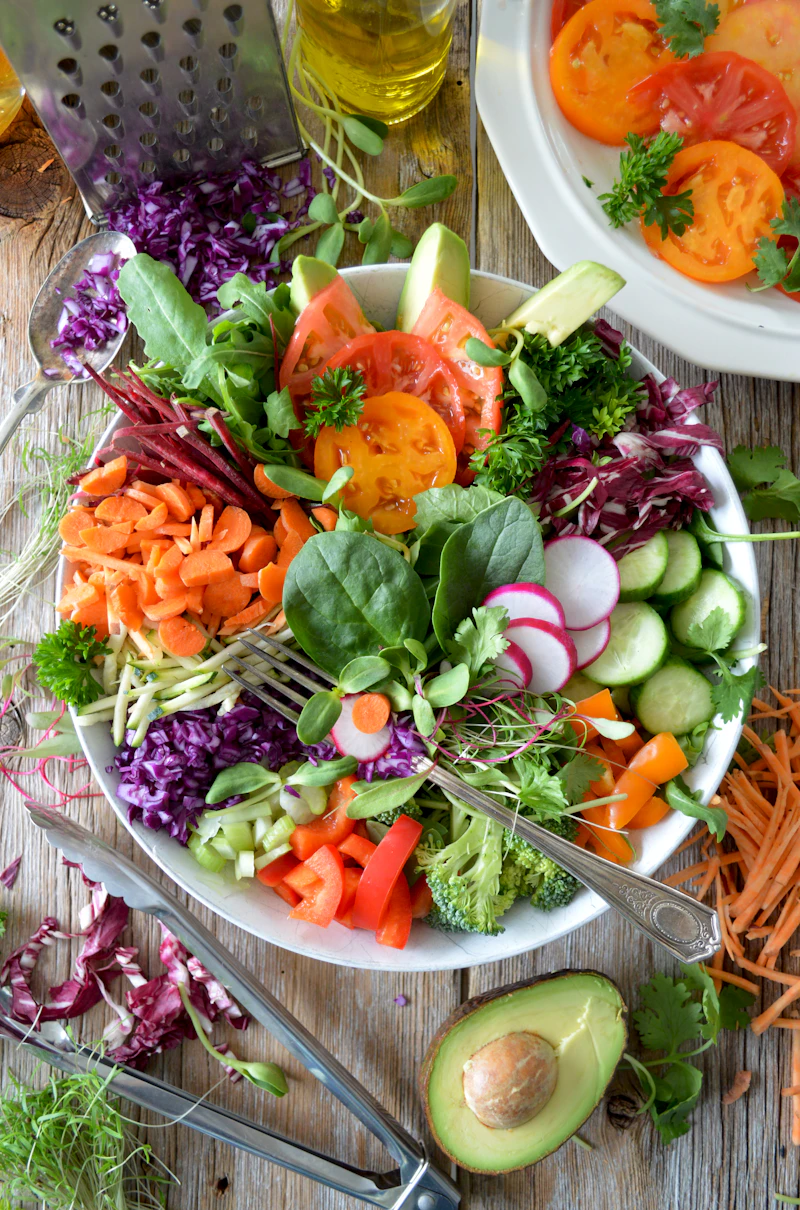
CULTURES IN MOTION
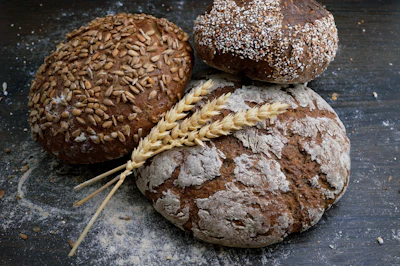 HARVEST / BREAD
 CRETAN / OLIVE
 SILK / SPICE
 STREET / FIRE
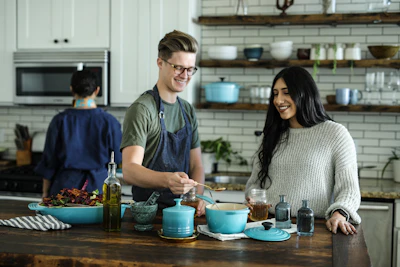 TABLE / MEMORY
EVERY DISH
HAS AN ORIGIN.
healthykitchenlabs / 2026
WHY FOOD
HAS A STORY.
Food is the most intimate archive of human civilization. It carries the memory of soil, the movement of people, the trade winds, the seasonal rhythms, and the quiet, unwavering hands that have prepared meals for centuries. healthykitchenlabs exists to document, preserve, and share these living stories.
OUR MISSION & ARCHIVE
healthykitchenlabs was established as an independent digital journal and a living, breathing cultural archive. We intentionally reject the fast-paced, superficial nature of standard culinary websites that reduce cooking to quick recipe cards, viral social media clips, and visual commerce. We believe that food is not merely fuel or aesthetic—it is a profound repository of human history, emotion, and ingenuity.
Our editorial team travels extensively to ancestral agricultural landscapes, traditional hearth kitchens, vibrant market docks, and remote coastal communities. We document not just the final dish, but the entire ecosystem that brings it to life—the farmer who tends the soil, the miller who grinds the grain, the cook who shapes the dough, and the elder who passes down the ritual through spoken word and worn hands.
We capture the living human context of global foodways, understanding that every recipe is a migratory map, every ingredient carries a geopolitical history, and every shared meal is an act of cultural preservation.
 THE HANDS THAT SHAPE OUR DAILY BREAD.
OUR EDITORIAL PHILOSOPHY
We practice slow, immersive journalism. Our writers spend weeks embedded within communities, learning the local dialects of farming, the seasonal cadence of harvests, and the intimate, unspoken rituals of family kitchens. We prioritize depth over speed, accuracy over aesthetics, and human connection over viral appeal.
Every piece published in the healthykitchenlabs journal is extensively fact-checked, culturally contextualized, and deeply respectful of the traditions we document. We see ourselves as custodians of culinary memory, not as tourists passing through.
- 01 / ROOTS & RITUALS
- 02 / MIGRATION & MEMORY
- 03 / SOIL & SEASONS
- 04 / HANDS & HEARTHS
- 05 / PRESERVATION & PROVENANCE
FROM THE FIELD
OLIVE GROVES
We spent three weeks documenting the autumn olive harvest, recording the oral histories of multi-generational farming families who still press oil by hand.
SPICE AUCTION
At dawn, we joined the vibrant spice auctions of Kerala, tracing the journey of black pepper and cardamom from highland terraces to global ports.
HEARTH BREAD
We captured the ancient methods of wild sourdough fermentation in rural Tuscan farmhouses, where generations of bakers have relied on instinct and climate.
JOIN THE ARCHIVE
If you have a culinary memory, a family recipe, or a story about the food of your homeland, we invite you to share it with our growing archive. Every voice matters in preserving the global tapestry of food culture.
SHARE YOUR FOOD STORY →THE INGREDIENT
ARCHIVE.
Every ingredient carries a geography, a climate, a history of human hands, and a path of migration across oceans and generations. Our archive celebrates the profound stories hidden within the seeds, grains, fruits, and spices that have nourished civilizations and shaped the very fabric of human culture.
 ORIGIN: MEDITERRANEAN BASIN
OLIVE
For over 6,000 years, the olive tree has stood as a pillar of Mediterranean life. Its oil was traded as liquid gold across ancient maritime routes, used for sacred rituals, and revered as the foundation of coastal cuisine.
 ORIGIN: FERTILE CRESCENT
WHEAT
The domestication of wheat in the Fertile Crescent sparked the Neolithic Revolution, transforming nomadic hunter-gatherers into settled agrarian societies. It remains the single most important grain in global nutrition.
 ORIGIN: MESOAMERICA
PEPPER
The fiery capsaicin pod was first cultivated in Mesoamerica over 6,000 years ago. Following the Columbian Exchange, it radically transformed global palates from Sichuan to West Africa, becoming a staple in countless cuisines.
 ORIGIN: ANDEAN SOUTH AMERICA
TOMATO
First domesticated in the Andean highlands, the tomato was initially feared as a poisonous nightshade in Europe. Yet within a few centuries, it completely redefined Mediterranean cooking, becoming the heart of sauces, soups, and countless daily meals.
 ORIGIN: YANGTZE RIVER VALLEY
RICE
Cultivated for over 10,000 years along the banks of the Yangtze, rice is more than a grain—it is a cultural anchor for half the world's population. Its terraced paddies represent one of the most sophisticated human landscape modifications in history.
 ORIGIN: AMAZON BASIN
COCOA
Long before it was transformed into sweet confections, cocoa was brewed as a bitter, sacred elixir by Mayan and Aztec nobility. It was used in ceremonial rituals, traded as currency, and revered as a gift from the gods.
DEEPER INTO THE ARCHIVE
Each ingredient in our growing archive is a gateway to understanding the complex, interconnected stories of human migration, adaptation, and culinary creativity.
EXPLORE ORIGINS →RECIPES
WITH ROOTS.
Every recipe is a living document—a fragile, beautiful thread connecting generations, continents, and cultures. Behind every ingredient list lies a memory of a grandmother's hands, a hearth fire, a distant homeland, and the quiet determination to preserve taste across time. These are not just instructions; they are culinary heirlooms.
HANDMADE PASTA
A masterclass in tactile dough kneading, the richness of golden egg yolks, and the ancient bronze-die shapes that create the perfect sauce-gripping texture. This is pasta as it was meant to be—simple, sacred, and deeply satisfying.
VIEW FULL RECIPE STORY →FIRE BREAD
Wild hearth-baked sourdough flatbreads infused with fragrant woodsmoke and the earthy, aromatic notes of wild thyme za'atar. This is bread baked by instinct, not by precise measurements—a testament to the art of traditional open-fire cooking.
VIEW FULL RECIPE STORY →SLOW CURRY
A deeply layered, slow-simmered curry that tells the story of the ancient spice trade. Cardamom, cinnamon, and black pepper mingle with turmeric-rich broths, cooked over low heat for hours until the flavors meld into a profound, comforting symphony.
VIEW FULL RECIPE STORY →FERMENTED CABBAGE
A humble, ancient method of preservation that harnesses the power of wild lacto-fermentation. Salt, time, and simple cabbage transform into a tangy, probiotic-rich staple that has sustained families through brutal European winters for centuries.
VIEW FULL RECIPE STORY →WOOD-FIRE PIZZA
Born in the bustling streets of Naples, this is pizza in its purest form. A paper-thin, hand-stretched dough, topped with San Marzano tomatoes and fresh mozzarella, cooked in a blistering 900°F wood-fired oven for just 90 seconds.
VIEW FULL RECIPE STORY →HONEY FIG TART
A dessert that celebrates the ancient sweetness of the Levantine coast. Sun-ripened figs are roasted with aromatic thyme honey, then nestled into a delicate, buttery pastry shell. It is a taste of late summer, preserved in sugar and nostalgia.
VIEW FULL RECIPE STORY →DEEPER INTO THE KITCHEN
Each recipe in our archive is a doorway into a specific time, place, and culture. We invite you to explore the full depth of culinary heritage that lives within these pages.
EXPLORE RECIPE ORIGINS →HANDMADE PASTA
INGREDIENTS
- • 400g Tipo 00 Flour
- • 4 Egg Yolks + 2 Whole Eggs
- • Pinch of Sea Salt
- • Drops of Cold Water
THE METHOD
CREATE THE WELL
Mound the flour on an unfinished wooden board. Create a wide, deep well in the center and crack the fresh eggs directly into it.
THE TACTILE KNEAD
Using a fork, slowly draw flour from the inner walls into the liquid eggs. Once a shaggy dough forms, use the heel of your palms for 10 full minutes until smooth.
REST & RELAX
Wrap the dough tightly in plastic wrap and allow it to rest at room temperature for at least 30 minutes. This relaxes the gluten, making it far easier to roll.
ROLL & CUT
Using a rolling pin or pasta machine, roll the dough into thin sheets. Cut into your preferred shapes—tagliatelle, pappardelle, or fettuccine—and dust lightly with semolina.
FIRE BREAD
INGREDIENTS
- • 500g Whole Wheat Flour
- • 350ml Warm Water
- • 150g Active Wild Sourdough Starter
- • 10g Sea Salt
- • 1 tbsp Za'atar (wild thyme blend)
THE METHOD
ACTIVATE THE STARTER
Feed your wild sourdough starter 6 hours before mixing. It should be bubbly, active, and doubled in volume—ready to bring the dough to life.
MIX & FERMENT
Combine all ingredients in a large bowl and mix until a rough, sticky dough forms. Cover and let it ferment at room temperature for 3 hours, performing one stretch-and-fold every hour.
SHAPE & RISE
Divide the dough into 4 equal rounds. Place on a floured surface, cover with a towel, and allow to rise for 1 more hour until puffed and airy.
HEARTH BAKE
Stretch each round into a flatbread shape. Bake directly on a hot stone or in a wood-fired oven at 450°F for 8–10 minutes until charred, puffed, and beautifully aromatic.
SLOW CURRY
INGREDIENTS
- • 600g Bone-in Chicken or Lamb
- • 2 Onions, finely diced
- • 4 Garlic Cloves, minced
- • 2 tbsp Ginger paste
- • 1 tbsp Turmeric powder
- • 1 tbsp Cumin seeds
- • 1 tbsp Coriander powder
- • 4 Cardamom pods
- • 1 Cinnamon stick
- • 2 cups Tomato purée
- • Salt & Ghee to taste
THE METHOD
TEMPER THE SPICES
Heat ghee in a heavy-bottomed pot. Add cinnamon, cardamom, and cumin seeds. Fry until they release their fragrant oils and become slightly darker.
BROWN THE AROMATICS
Add onions and cook slowly until deep golden brown. Stir in garlic and ginger, cooking for 2 more minutes until the raw aroma disappears.
SIMMER THE CURRY
Add meat, turmeric, coriander, and tomato purée. Stir thoroughly, then cover and cook on the lowest heat for 2.5 hours, stirring occasionally.
FINISH & REST
Uncover, check for seasoning, and allow the curry to rest for 20 minutes. This allows the layers of spice to fully harmonize before serving with steamed rice.
FERMENTED CABBAGE
INGREDIENTS
- • 1 large Head of Green Cabbage
- • 2 tbsp High-quality Sea Salt
- • 1 tbsp Caraway Seeds (optional)
- • 1 Large Glass Fermentation Jar
THE METHOD
SHRED & SALT
Thinly slice the cabbage into fine ribbons. Place in a large bowl and sprinkle with salt. Massage vigorously with your hands for 5 minutes until it becomes wilted and watery.
PACK THE JAR
Firmly pack the cabbage into your glass jar, pressing down hard with a wooden spoon or fist to release more brine. The cabbage must be fully submerged in its own liquid.
FERMENT IN THE DARK
Seal the jar and place it in a cool, dark spot (65–70°F). Allow it to ferment for 2 to 3 weeks. Open the jar briefly every few days to release built-up pressure.
REFERIGERATE & ENJOY
Once the sauerkraut reaches your desired tangy flavor, transfer the jar to the refrigerator. The fermentation will slow dramatically, preserving it for months.
WOOD-FIRE PIZZA
INGREDIENTS
- • 500g Caputo 00 Pizza Flour
- • 325ml Cold Water
- • 3g Fresh Yeast
- • 15g Sea Salt
- • San Marzano Tomatoes (crushed)
- • Fresh Buffalo Mozzarella
- • Fresh Basil leaves
- • Extra Virgin Olive Oil
THE METHOD
HYDRATE THE DOUGH
Dissolve yeast in water. Gradually add flour and salt, mixing until a sticky dough forms. Knead gently for 10 minutes until smooth.
BULK FERMENT
Cover the dough and allow it to rest at room temperature for 2 hours, performing a stretch-and-fold every 30 minutes. Then refrigerate for 2 more hours.
STRETCH & TOP
Divide dough into 4 balls and stretch each into a thin, round disc. Top with crushed tomatoes, fresh mozzarella, and a drizzle of olive oil.
THE BLAZING HEAT
Cook in a 900°F wood-fired oven for just 60–90 seconds until the crust is charred and bubbly. Finish with fresh basil and serve immediately.
HONEY FIG TART
INGREDIENTS
- • 250g All-Purpose Flour
- • 150g Unsalted Butter (cold, cubed)
- • 50g Icing Sugar
- • 1 Egg Yolk
- • 6 Fresh Figs (halved)
- • 4 tbsp Thyme-infused Honey
- • 1 tbsp Lemon Zest
THE METHOD
MAKE THE PASTRY
Combine flour, icing sugar, and cold butter in a bowl. Rub until crumbly. Add egg yolk and a splash of cold water, bringing together into a smooth dough. Chill for 30 minutes.
BLIND BAKE
Roll out the dough and press into a tart tin. Prick the base with a fork, line with parchment, fill with beans, and bake at 350°F for 15 minutes.
ROAST THE FIGS
Arrange the halved figs on the baked tart shell. Drizzle generously with thyme honey and sprinkle with lemon zest.
CARAMELIZE & SERVE
Return to the oven for 12–15 minutes until the figs are soft and the honey has thickened into a glossy, golden glaze. Serve warm with whipped cream.
FOLLOW FOOD
BACKWARD.
Tracing dishes backward through deep historical time reveals that culinary borders are fluid creations—not of politics, but of geography, climate, and the quiet, persistent movement of people. Every spice, every grain, every cooking technique carries within it the memory of a journey across mountains, oceans, and generations. To understand where food comes from is to understand the shape of human civilization itself.
THE OLIVE OIL TRAIL
For over 6,000 years, olive oil has been more than a cooking fat—it has been a currency, a sacred anointing oil, and a pillar of Mediterranean identity. From the hills of Crete to the shores of Andalusia, the olive tree's footprint maps the rise of maritime trade, the spread of religious rituals, and the endurance of family-run groves that have survived empires, wars, and climate shifts.
KEY MOVEMENT: Phoenician Maritime Routes
THE SPICE ROUTES
Cardamom, cinnamon, black pepper, and cloves were once worth more than gold. The ancient spice routes—both overland via the Silk Road and maritime across the Indian Ocean—connected the Malabar Coast of India, the islands of Indonesia, and the markets of the Middle East. These networks were not just economic arteries; they were conduits of culinary fusion, religious exchange, and cross-cultural adaptation.
KEY MOVEMENT: Monsoon-Driven Maritime Trade
THE WHEAT JOURNEY
The domestication of wheat in the Fertile Crescent roughly 10,000 years ago was the spark that ignited the Neolithic Revolution. It turned nomadic hunter-gatherers into settled agrarian communities, giving rise to the first cities, written language, and complex social hierarchies. From there, wheat spread west across Europe, east into Asia, and eventually across the Atlantic with European colonizers—becoming the world's most cultivated grain.
KEY MOVEMENT: Neolithic Expansion & Colonial Agriculture
THE CHOCOLATE REVOLUTION
Long before it was molded into sweet confections, cocoa was brewed as a bitter, foaming ceremonial elixir by the Maya and Aztec nobility. It was used in sacred rituals, traded as currency, and revered as a divine gift. The Columbian Exchange transformed cocoa into a global commodity, but its journey from the rainforests of the Amazon to the chocolate shops of Europe is a story of colonization, adaptation, and the radical reinvention of taste.
KEY MOVEMENT: Columbian Exchange & European Sugar Processing

THE FOOD
JOURNAL.
THE BREAD THAT
CROSSED BORDERS
"THE DISH CHANGED ON FOREIGN SHORES. THE EMOTIONAL MEMORY OF ITS FLAVOR DID NOT."
When families pack their belongings during waves of forced or hopeful migration, seeds are sewn into lining coats and starter doughs are kept warm in wet cloths against the body.
Bread transforms instantly upon reaching new soil. Different humidity, alternative local mill flours, and substituted ovens alter the crust, but the ceremonial tearing of bread at the family table remains identical.
HOW DOES
MEMORY TASTE?
Exploration of our seven core palate dimensions: Sweet, Sour, Bitter, Salty, Umami, Smoke, and Ferment.
TELL US YOUR
FOOD STORY.
PRIVACY POLICY
EFFECTIVE DATE: AUGUST 14, 2026
01. OUR COMMITMENT TO PRIVACY
healthykitchenlabs operates as an independent digital journal with a deep respect for reader privacy. We believe that trust is the foundation of our relationship with our community. We are committed to transparency in how we collect, use, and protect any information you share with us. This policy outlines our practices in clear, simple language, ensuring that you always feel informed and empowered when engaging with our platform.
02. DATA COLLECTION & EDITORIAL ETHICS
We collect minimal user information, and only when it is directly and voluntarily provided by you. This includes when you subscribe to our newsletter, submit a personal culinary memory, or reach out to us via our contact form. We do not automatically collect personal data through cookies or tracking scripts. Your name, email address, and the content of your submissions are stored securely and used solely for the purpose for which they were provided—whether that is sending you our weekly editorial dispatches or sharing your stories with our editorial team.
03. HOW WE USE YOUR INFORMATION
Any personal information we collect is used exclusively to enhance your experience with healthykitchenlabs. Specifically, we use your email address to send you our newsletter, which contains new articles, ingredient features, recipe explorations, and editorial updates. We may occasionally reach out to you directly to request feedback, invite you to participate in culinary memory projects, or share important updates about our publication. We will never sell, rent, lease, or share your data with third-party advertisers, marketers, or data brokers under any circumstances.
04. DIGITAL ANALYTICS
We utilize privacy-focused, anonymized analytics tools to understand how readers engage with our long-form articles. These tools do not track or identify individual users. They simply provide aggregated data about general reading patterns, such as which articles are most frequently read, average time spent on pages, and geographic regions of our audience. This allows us to curate content that genuinely resonates with our community while respecting the privacy of every single reader who visits our archive.
05. DATA SECURITY & RETENTION
We implement industry-standard security measures to protect your personal information from unauthorized access, disclosure, alteration, or destruction. All data is stored on encrypted, secure servers with restricted access. We retain your information only for as long as necessary to provide you with our services or as required by applicable law. If you choose to unsubscribe from our newsletter, your email address is promptly removed from our active lists and archived securely.
06. YOUR RIGHTS & CONTACT
You have the right to access, correct, or request the deletion of any personal information we hold about you at any time. You may also withdraw your consent to our data processing at any time by unsubscribing from our newsletter. If you have any questions, concerns, or requests regarding your privacy, please reach out to us directly via our Contact page. Our editorial team will respond to all inquiries within 10 business days.
TERMS & CONDITIONS
LAST UPDATED: AUGUST 2026
01. ACCEPTANCE OF TERMS
By accessing, browsing, or using the healthykitchenlabs website, mobile-friendly interface, and any associated content (collectively, the "Platform"), you agree to be bound by these Terms & Conditions. If you do not agree with any part of these terms, please refrain from using the Platform. We reserve the right to update these terms at any time, and continued use of the Platform after changes are made constitutes your acceptance of the revised terms.
02. INTELLECTUAL PROPERTY & COPYRIGHT
All long-form editorial essays, art-directed photography, original maps, custom typography, and ingredient archives published on healthykitchenlabs are the exclusive intellectual property of the publication. These works are protected by international copyright laws, trademark regulations, and intellectual property treaties. Unauthorized reproduction, distribution, modification, public display, or commercial use of any content—whether in full or in part—is strictly prohibited without the express, written consent of the healthykitchenlabs editorial board.
03. REPRODUCTION & CITATION
Academic and culinary citation is encouraged, provided that explicit attribution is given and a direct link back to the original healthykitchenlabs URL is provided. We believe in the open exchange of knowledge and support the responsible sharing of our work for educational, non-commercial purposes. However, any use of our content that involves modification, commercial gain, or misrepresentation is strictly forbidden and will be subject to legal action.
04. USER RESPONSIBILITIES
By engaging with the healthykitchenlabs Platform, you agree to use the site in a respectful and lawful manner. You agree not to upload, post, or transmit any content that is defamatory, abusive, harmful, or otherwise inappropriate for a community of readers who appreciate thoughtful culinary culture. We reserve the right to remove any user-generated content that violates these standards, and to ban users who repeatedly engage in harmful or disruptive behavior.
05. LIMITATION OF LIABILITY
healthykitchenlabs strives to ensure the accuracy, reliability, and timeliness of all published content. However, we do not make any representations or warranties regarding the completeness, suitability, or absolute accuracy of any information, advice, or recommendations provided. To the maximum extent permitted by law, healthykitchenlabs, its editorial team, and its affiliates shall not be held liable for any direct, indirect, incidental, or consequential damages arising from the use of, or reliance upon, any content published on our platform.
06. GOVERNING LAW & DISPUTE RESOLUTION
These Terms & Conditions are governed by and construed in accordance with the laws of the jurisdiction in which healthykitchenlabs operates, without regard to its conflict of law principles. Any disputes arising under these terms shall be exclusively subject to the jurisdiction of the relevant local courts. We encourage users to review this document periodically to stay informed about any updates or changes to our terms of use.
LEAVE THE TABLE?
Enter your registered email address to stop receiving healthykitchenlabs updates and letters.